I Switched to the Skechers Go Run Elevate 2 and Here is What Happened
Introduction
The Skechers Go Run Elevate 2 arrives at the intersection of running performance and everyday comfort. As running shoes have evolved, many buyers look for a pair that performs during training, cushions sufficiently for recovery, and remains comfortable for daily wear. This article examines what happened when the reviewer switched to the Go Run Elevate 2, providing an objective, third-person editorial assessment targeted at people who care about fit, durability, ride quality, and value.
Readers who treat shoes as tools will find an analysis oriented toward real-world use cases: daily runs, tempo efforts, gym sessions, long walks, and commuting. The goal is to equip prospective buyers with the information they typically care about—comfort, responsiveness, weight, stability, breathability, and longevity—so they can decide whether the Go Run Elevate 2 fits into their footwear rotation.
Product Overview
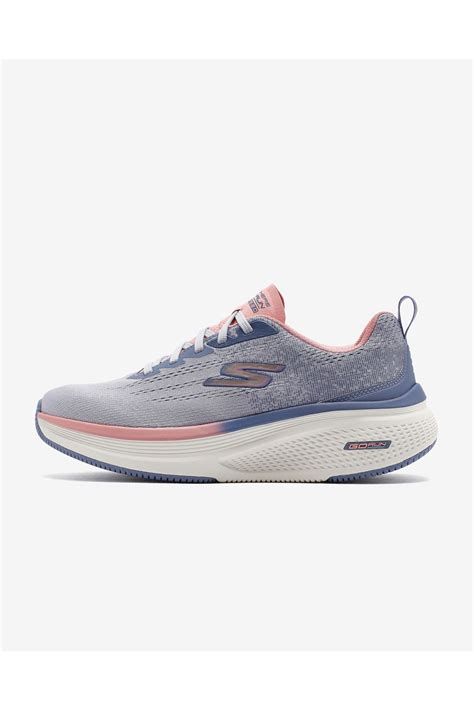
The Skechers Go Run Elevate 2 is positioned as a neutral running shoe with a focus on cushioning and a smooth, energetic ride. Skechers has leaned into engineered foam midsoles in recent years, and the Elevate 2 continues that trend with a midsole designed to provide a balance between softness and return. The upper tends to use breathable knit materials with structural overlays to create a secure fit without excessive weight.
Key characteristics emphasized by the brand and noticed in use include a plush midsole stack, a relatively flexible forefoot for toe-off, and a roomy toe box for natural foot splay. While not marketed as a race shoe, the Elevate 2 aims to be versatile enough for easy runs, recovery miles, and non-technical cross-training.
Design and Materials
Upper
The upper of the Go Run Elevate 2 typically uses a knitted mesh that balances breathability and structure. The material breathes well during warm-weather runs and keeps the foot cool during gym sessions. Structural elements—such as welded overlays or a heel counter—help stabilize the foot without creating pressure points. The collar padding is modest, which reduces bulk but still cushions the Achilles during longer sessions.
Midsole
The midsole is the heart of the Elevate 2. It uses an engineered foam blend intended to provide a cushioned yet responsive ride. In everyday terms, this means that runs at an easy pace feel comfortable and forgiving, while quicker efforts benefit from a mild energy return without feeling mushy. The shoe provides a noticeable vertical cushion that reduces perceived impact on pavement and treadmill surfaces.
Outsole
Outsole design is pragmatic: rubber is placed in high-wear zones to improve durability while preserving flexibility elsewhere to keep weight down. Traction patterns work well on dry pavement and indoor surfaces; users should be mindful that the shoe isn’t optimized for muddy trails or technical terrain where lugged outsoles and sticky rubber are needed.
Fit and Sizing
Fit is a frequent concern for buyers. The Elevate 2 runs true to brand sizing for most people, but individual foot shapes affect the experience:
- Those with average-width feet will likely find the standard width comfortable without needing a half-size up.
- Runners with wider forefeet often appreciate the toe box space, which allows natural splay on longer runs.
- Individuals with narrow heels may want to try the shoe on first; some find the heel slightly roomy and prefer a snug heel lockdown for fast tempos.
As always, trying shoes on with the socks one plans to wear during runs gives the best sense of fit. For online shoppers, checking the return policy and using a retailer with a generous trial window is advisable.
Cushioning and Ride Quality
One of the most discussed aspects of the Elevate 2 is its cushioning profile. The midsole delivers a plush sensation that absorbs impact well on short and medium-distance runs. The foam provides a gentle rocker effect that helps propel the foot forward, making consecutive miles feel smoother.
For tempo efforts, the shoe offers enough responsiveness to maintain pace for moderate-duration workouts, but competitive runners who prioritize explosiveness and maximal responsiveness may prefer lighter racing models. In recovery runs and daily wear, the Elevate 2’s cushioning reduces foot and joint fatigue, making it well-suited for multi-use scenarios where comfort is prioritized.
Shop the latest Electronics picks on Amazon.
View Offers →Weight and Flexibility
The Elevate 2 sits in the middle ground: not featherlight, but not heavy either. It achieves a compromise between cushioning and mass. The flexible forefoot encourages a natural toe-off and foot mobility, while the midfoot remains composed. These characteristics make the shoe versatile for people who mix running, walking, and gym workouts.
Durability and Build Quality
During extended testing across different surfaces—track, pavement, treadmill, and gym floors—the Elevate 2’s outsole rubber in high-contact zones shows good wear resistance. The knit upper maintains shape and does not show excessive abrasion in typical city use. Stitching and overlays hold up under repeated flexing and the heel counter preserves structure.
Long-term durability depends on usage patterns: daily pavement miles will wear foam faster than occasional runs, while times when the shoe is rotated with other pairs will naturally extend lifespan. Buyers who log high weekly mileage should monitor midsole compression over time and expect to replace the shoe when cushioning diminishes noticeably.
Real-World Use Cases
Daily Runs and Recovery Miles
For those prioritizing comfort during low-to-moderate intensity runs, the Elevate 2 performs very well. The plush midsole reduces perceived impact and helps manage soreness on back-to-back run days. Many users report that recovery runs feel easier and that the shoe’s forgiving nature aids in maintaining consistent training volume.
Tempo and Short Interval Workouts
The shoe can handle tempo runs and shorter intervals, delivering adequate responsiveness for workouts that emphasize turnover rather than outright speed. It is not designed as a fast race-day shoe but serves as a dependable trainer during speed sessions that do not require maximal propulsion.
Gym Work and Cross-Training
In the gym, the Elevate 2 works as a comfortable option for light to moderate weightlifting, circuit training, and cardio machines. Its stability is sufficient for conventional strength exercises, but those lifting heavy or doing Olympic-style lifts might prefer a flatter, firmer-soled training shoe for maximal stability under load.
Walking, Commuting, and All-Day Wear
Buyers who need a versatile shoe for short commutes, standing jobs, or walking between meetings will appreciate the Elevate 2’s cushion and comfortable fit. The breathable upper keeps the foot cool during longer wear, while the midsole reduces foot fatigue over the course of a day on one’s feet.
Comparison Table
| Model | Primary Use | Cushioning | Responsiveness | Fit Notes |
|---|---|---|---|---|
| Skechers Go Run Elevate 2 | Daily training, recovery, commuting | Plush, high comfort | Moderate | Roomy toe box, neutral fit |
| Skechers Go Run Ride (example sibling model) | Daily to long runs | Balanced cushioning | Moderate-high | Stable, slightly narrower forefoot |
| HOKA Clifton (benchmark comparison) | Long runs, cushioned daily trainer | High stack, very plush | High | Generous stack height, secure midfoot |
Note: The table is intended to highlight relative differences in design intent and typical performance. Specific model years and variants may shift details; prospective buyers should check the exact specifications of any model under consideration.
Pros & Cons
Pros
- Comfortable cushioning: The midsole delivers a plush ride that reduces impact and helps with recovery runs.
- Versatile: Works well for running, walking, and light cross-training, making it suitable for people who want one shoe for multiple activities.
- Breathable upper: Knit materials provide airflow that keeps the foot cool on warm days.
- Roomy toe box: Allows natural toe splay, which many users find beneficial during longer efforts.
- Durable outsole zones: Rubber placement in high-wear areas extends durability for road use.
Cons
- Not a race shoe: While responsive enough for tempo runs, competitive runners seeking maximal speed and minimal weight will look elsewhere.
- Moderate weight: The cushioning comes with added mass compared to ultralight trainers.
- Heel lockdown for narrow heels: Those with narrow heels may need to adjust lacing or try different sizes to avoid slight heel slippage.
- Limited off-road capability: The outsole and tread pattern are optimized for pavement and indoor use, not technical trails.
Buying Guide: What Buyers Typically Care About
When buyers evaluate a shoe like the Go Run Elevate 2, several practical questions guide the decision. Below is a checklist and guidance based on common priorities.
1. Intended Use
Buyers should first identify how they intend to use the shoe. The Elevate 2 is best for daily training, recovery runs, commuting, and gym sessions. For dedicated racing or technical trail running, a specialized shoe is a better choice.
2. Fit and Sizing
Try on shoes with running socks and test a short jog if possible. If shopping online, order from a retailer that offers free returns or an at-home trial. People with wide forefeet often find the toe box accommodating, but heel fit can vary—consider different lacing techniques to improve lockdown.
Discover deals on Electronics — updated daily.
Shop Amazon →3. Cushioning Preference
Decide whether plush cushioning or a firmer, more responsive ride is preferred. The Go Run Elevate 2 is on the softer side of the spectrum, which appeals to those who prioritize comfort and shock absorption.
4. Weight Considerations
If a very lightweight shoe is a priority for speedwork and races, the Elevate 2 may not be the top choice. However, for everyday training where durability and cushion are more important, its weight is a reasonable compromise.
5. Versatility and Wardrobe
For someone seeking a single pair for running and daily wear, the Elevate 2’s appearance and comfort make it a practical option. Consider colorways and materials if the shoe will be used in both athletic and casual settings.
6. Durability and Mileage Expectations
Estimate weekly mileage and compare to expected longevity. Higher mileage runners should plan to rotate shoes and monitor midsole compression. For casual runners, the Elevate 2 will likely last many months before cushioning degrades noticeably.
7. Return Policies and Try-On Options
Because fit varies, purchase from retailers with flexible return policies or try the shoe in-store when possible. Lacing adjustments can resolve minor fit issues; manufacturers’ warranties sometimes cover manufacturing defects, not wear-and-tear, so check policy details.
8. Budget and Value
Assess whether the shoe’s feature set matches the price point. The Elevate 2 targets buyers who want cushioned comfort across activities without having to buy separate lifestyle and performance shoes.
Maintenance Tips
To maximize lifespan, rotate the Elevate 2 with another pair if weekly mileage is high, clean the upper gently with a soft brush and mild soap, and air-dry at room temperature. Avoid machine drying or leaving the shoes in direct sunlight for extended periods, as heat can accelerate foam breakdown.
Conclusion
The Skechers Go Run Elevate 2 makes a convincing case as a versatile daily trainer and comfortable all-day shoe. It excels in cushioning and general comfort, making it an excellent choice for recovery runs, commuting on foot, and mixed-use training. The trade-offs—moderate weight and less race-focused responsiveness—are clear and consistent with the shoe’s intended role.
For buyers who prioritize comfort, breathability, and a stable, forgiving ride across a range of activities, the Elevate 2 is worth considering. Those who demand race-day performance or dedicated trail capability should evaluate more specialized options. Ultimately, the switch to the Go Run Elevate 2 will feel like choosing a reliable, comfortable workhorse for many athletes and active people—one that supports training volume, eases recovery, and adapts to daily life.